ARTICLES

We share knowledge

learn with us

Hepatocellular Carcinoma

Hepatocellular Carcinoma

Hepatocellular carcinoma (HCC) or primary liver cancer originates from the functional cells of the liver called hepatocytes. Hepatocellular carcinoma is responsible for the fourth-highest number of deaths due to cancer globally. Over 80% of HCC cases occur in regions with limited medical and social care resources, particularly in Eastern Asia and sub-Saharan Africa.

Medication Abortion: Process, Precautions, and Follow-Up

Medication Abortion: Process, Precautions, and Follow-Up

Abortion is a medical procedure that ends a pregnancy before the fetus can survive outside the womb. People seek abortions for a range of reasons, including medical, social, personal, and economic factors. There are different methods for performing abortions, such as using medication (known as medical abortion) or in-clinic procedures. It's worth mentioning that the rules and accessibility of abortion services can vary by country and region, and the subject of abortion often sparks passionate debate and controversy. Laws and regulations surrounding abortion and public opinions on the matter vary significantly across the globe. The choice to undergo an abortion is deeply personal and is frequently shaped by an individual's unique circumstances, personal beliefs, and ethical reflections. The selection of the method hinges on considerations such as the stage of pregnancy and the woman's well-being and personal choices. Generally, as the pregnancy progresses, the abortion method tends to become more intricate and challenging.

Headaches: Causes, Management, and Diagnosis

Headaches: Causes, Management, and Diagnosis

Headaches are a common occurrence, impacting the lives of nearly everyone from time to time. They rank prominently among the reasons why individuals seek medical advice from their primary healthcare physicians. While they can sometimes serve as an indicator of more significant underlying health issues, their primary impact lies in the personal and societal burdens they impose such as pain, decreased quality of life, and so on. Despite their widespread impact, headaches often receive insufficient attention in the allocation of healthcare resources, highlighting the need for greater recognition of this public health concern. Worldwide prevalence of active headaches is currently at 52% of the general population, thus indicating the importance of focusing on this topic.

Top Physician-Recommended Diets for Optimal Health

Top Physician-Recommended Diets for Optimal Health

The intricate relationship between diet and health significantly influences our overall well-being. Diet encompasses the types and quantities of foods and beverages we regularly consume, playing a pivotal role in maintaining and enhancing our general health. A well-balanced, nutritious diet provides our bodies with essential nutrients, energy, and the foundational elements necessary for optimal growth and performance.

6 Common Medical Issues People Are Often Embarrassed to Discuss

6 Common Medical Issues People Are Often Embarrassed to Discuss

Open communication about medical issues is vital for effective doctor-patient relationships. Doctors rely on patients to share their symptoms, health behaviors, and emotional well-being. This information helps clinicians diagnose and recommend appropriate treatments. If patients withhold or misrepresent details, the advice and decisions made by doctors may not be in the patient's best interest. While it's essential for patients to provide accurate information, there's a prevailing belief in the medical field that patients sometimes withhold the truth. Limited research suggests that a significant number of patients might not share essential details with their doctors. For instance, data from the Health Information National Trends Survey (HINTS) revealed that over 12% of patients have, at some point, withheld information from a clinician due to concerns about the confidentiality of their medical data.

Post-Traumatic Stress Disorder (PTSD) Overview

Post-Traumatic Stress Disorder (PTSD) Overview

Post-traumatic stress disorder (PTSD) is a mental health condition triggered by a deeply distressing event, either experienced firsthand or witnessed. Symptoms may include flashbacks, nightmares, severe anxiety, and uncontrollable thoughts about the event. While many people who undergo traumatic events face temporary difficulties adjusting and coping, they often improve with time and self-care. However, if symptoms worsen, last for months or even years, and interfere with daily life, PTSD may be the cause.

Dementia Overview

Dementia Overview

Dementia refers to a range of cognitive disorders affecting memory, thinking skills, behavior, and daily functionality. It's not a specific disease but a syndrome resulting from various underlying conditions or diseases that cause gradual and irreversible brain deterioration. The World Health Organization reported that in 2020, 55 million people were diagnosed with dementia, with a significant majority from low-to-middle-income regions. This number is projected to double in the next two decades.

Overview of Breast Cancer

Overview of Breast Cancer

Breast cancer is a widespread form of cancer originating in the cells of the breast, affecting both men and women. It can begin in various parts of the breast, such as the milk ducts or lobules, which are responsible for milk production. As an alarmingly prevalent disease, statistics reveal that a new breast cancer diagnosis is made every 14 seconds.

Kidney Cancer: A Guide to Types & Treatment

Kidney Cancer: A Guide to Types & Treatment

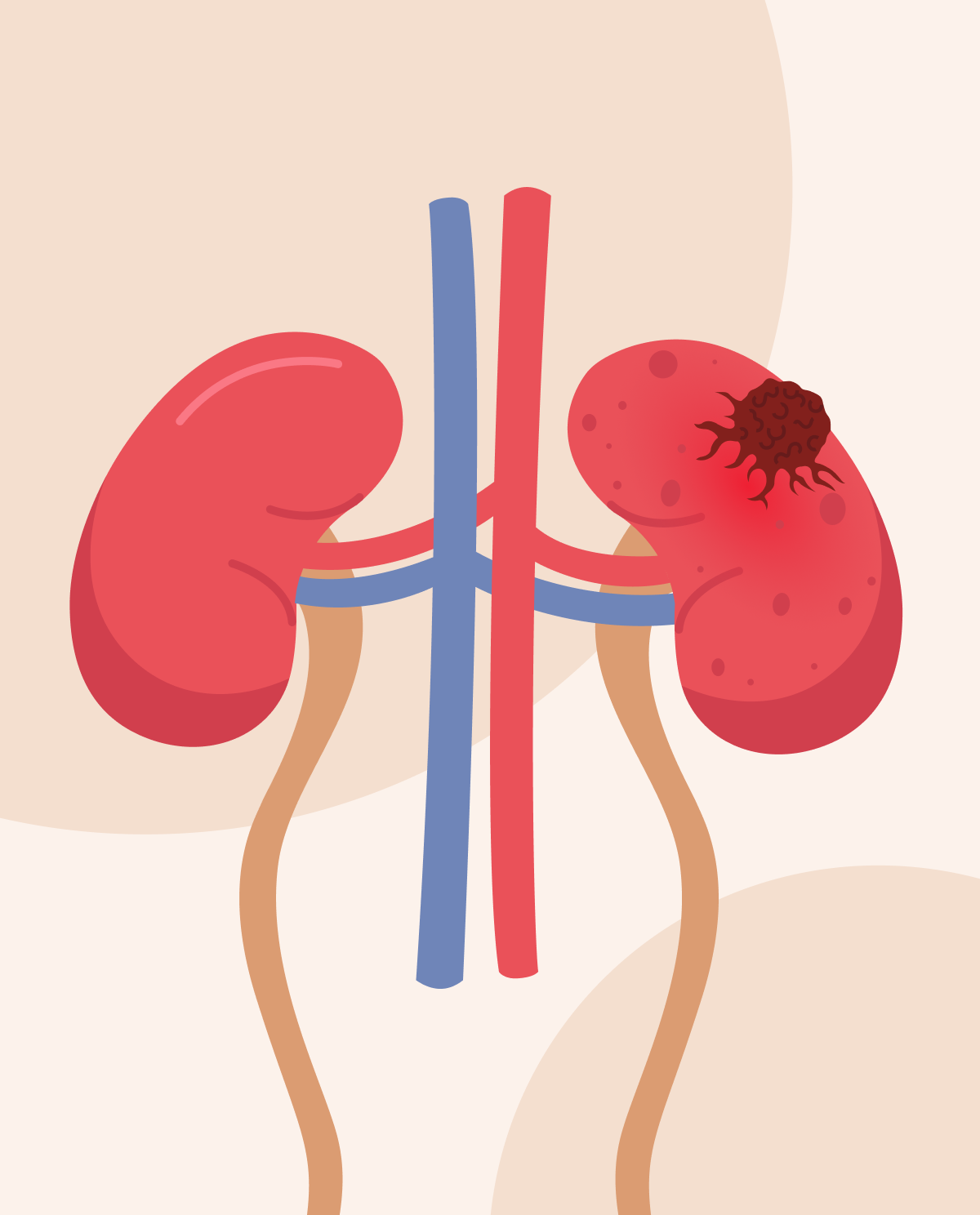
Kidney cancer, also known as renal cancer, refers to the development of cancerous cells in the kidneys. The kidneys are vital organs that filter waste from the blood and produce urine. When abnormal cells in the kidneys multiply and form a tumor, it can lead to kidney cancer. There are different types of kidney cancer, with renal cell carcinoma being the most common.

Sleep deprivation

Sleep deprivation

Sleep deprivation refers to a broad concept encompassing the state resulting from insufficient sleep in terms of quantity or quality. It includes both voluntary and involuntary sleeplessness, as well as sleep disorders related to disturbances in the body's internal sleep-wake cycle.