ARTICLES

We share knowledge

learn with us

Category: Female Reproductive System Diseases

Medication Abortion: Process, Precautions, and Follow-Up

Medication Abortion: Process, Precautions, and Follow-Up

Abortion is a medical procedure that ends a pregnancy before the fetus can survive outside the womb. People seek abortions for a range of reasons, including medical, social, personal, and economic factors. There are different methods for performing abortions, such as using medication (known as medical abortion) or in-clinic procedures. It's worth mentioning that the rules and accessibility of abortion services can vary by country and region, and the subject of abortion often sparks passionate debate and controversy. Laws and regulations surrounding abortion and public opinions on the matter vary significantly across the globe. The choice to undergo an abortion is deeply personal and is frequently shaped by an individual's unique circumstances, personal beliefs, and ethical reflections. The selection of the method hinges on considerations such as the stage of pregnancy and the woman's well-being and personal choices. Generally, as the pregnancy progresses, the abortion method tends to become more intricate and challenging.

Overview of pelvic inflammatory disease

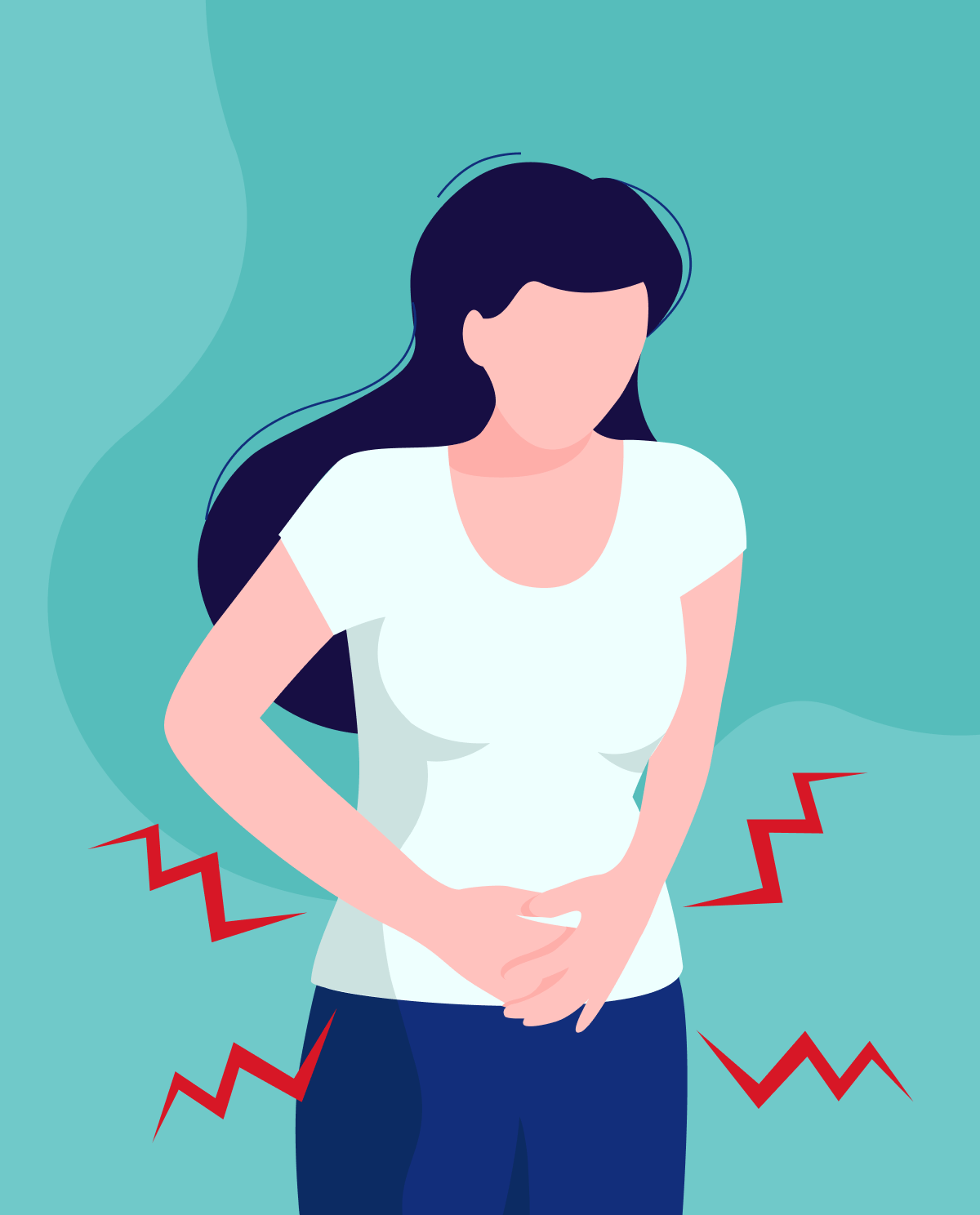
Overview of pelvic inflammatory disease

Pelvic inflammatory disease or PID is an inflammatory process of the reproductive organs in women. PID most commonly results from bacterial infections acquired during intercourse, mainly chlamydia, and gonorrhea. At other times, it can result from bacteria entering the uterus during instances when the cervical barrier is disturbed (i.e., after abortion, miscarriage, or childbirth). The disease results from what we call an "ascending" infection thus spreading from the lower genitalia (i.e., vagina) to the upper genitalia (i.e., Uterus, fallopian tubes, and ovaries).

Overview of cystitis

Overview of cystitis

Cystitis is the term used to describe bladder inflammation. The main cause of bladder inflammation is a bacterial infection. The following can be classified as the following: simple urinary tract infection (UTI) which occurs in healthy men and non-pregnant women; or complicated UTI which is associated with risk (i.e., antibiotic failure). Cystitis can also be induced by non-infectious factors (i.e., medication).

Menstrual abnormalities: causes, diagnosis, and treatments

Menstrual abnormalities: causes, diagnosis, and treatments

Menstrual cycles differ from woman to woman. Many causes come into play when it comes to menstrual cycle abnormalities. Menstrual anomalies are among the most common cause of gynecological consultations with a global prevalence of 30-70% in women of childbearing age. This short article will briefly discuss the common causes, the associated symptoms, what diagnostic tools are used, and how to treat them.