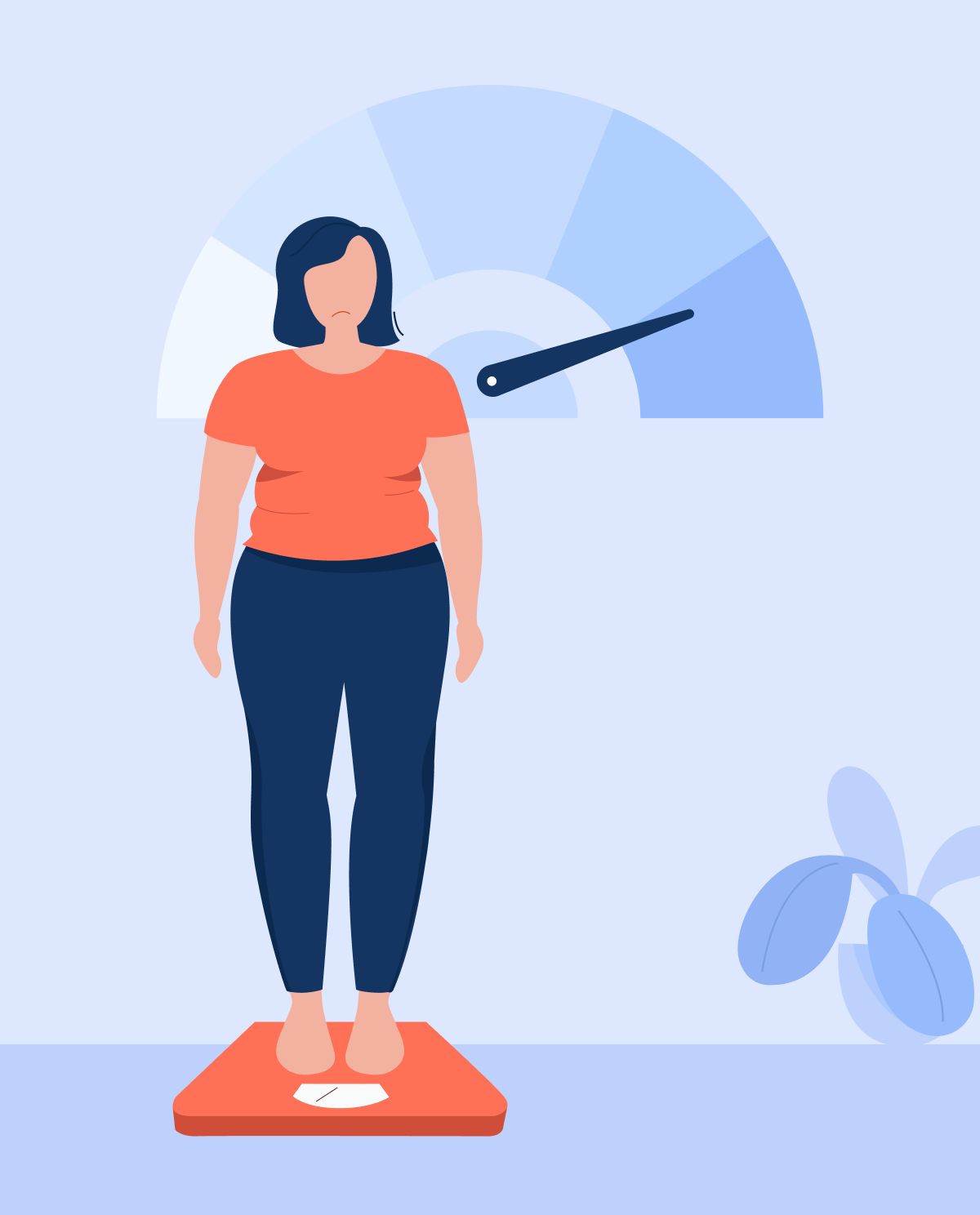
Obesity is a complex and multifactorial illness affecting people of all age groups. An individual is diagnosed as obese (by measuring their BMI -Body Mass Index) when their weight is much higher than what is considered normal/healthy. It should be noted that the BMI test itself is flawed as it does not take various factors into consideration (body composition i.e., muscle mass, sex, age, and ethnic background) thus the physician must take a complete look at a patient even after getting the BMI results. Obesity presents as one of the leading threats to early death worldwide. The prevalence of obesity stands at 38.9% worldwide.



Overview and causes of obesity
BMI and weight status
- less than 18.5: underweight,
- 18.5 - 24.9: normal,
- 25 - 29.9: overweight,
- more than 30: obese,
- more than 40: morbidly obese.
Late onset / adult obesity
- Lack of physical activity,
- Insufficient sleep or bad sleeping habits,
- Excessive eating / bad diet,
- Social status influence (difficulty / inability to make healthier food choices),
- Illnesses (Cushing’s),
- Medication (antidepressants),
- Genetics.
Early onset obesity / childhood causes:
- Bardet-Biedl syndrome (BBS): child presents with uncontrolled hunger, early onset obesity, kidney, and vision impairment, having more toes or fingers.
- Pro-opiomelanocortin deficiency (POMC): onset of uncontrolled hunger in the infancy stage, hormonal dysregulation, and obesity.
- Leptin receptor deficiency (LEPR): lower level of sex hormone production (hypogonadotropic hypogonadism), severe early obesity, and uncontrolled hunger.
Signs and symptoms associated with obesity
Obesity symptoms in adults
- Shortness of breath,
- Trouble sleeping, snoring,
- Excess fat in the abdominal area,
- Fatigue even when rested,
- Joint pain,
- Psychological issues (depression, isolation, and lower self-esteem).
Obesity symptoms in childhood
- Low tolerance to physical activity and shortness of breath,
- Stretch marks are usually on the back and on the hips,
- Fat tissue accumulation in the breast area,
- Sleep apnea,
- Gastro-esophageal reflux disease,
- Darkened skin changes in body folds, usually around the neck, armpit and groin area,
- Orthopedic complications (i.e., flat feet),
- Delayed puberty in males,
- Early puberty in females.
Complications associated with obesity
- Obesity-induced asthma,
- Hypertension and/or heart disease,
- Increased cholesterol levels could lead to cardiovascular complications such as heart attack or stroke,
- Poor renal function due to chronic hypertension,
- Diabetes type 2 development,
- Development of certain types of cancer,
- Hiatal hernia,
- Gastro-esophageal reflux disease,
- Sleep apnea,
- Osteoarthritis develops due to excess weight on bones and joints,
- Gallstone disease.