
ARTICLES

We share knowledge

learn with us

Erectile dysfunction overview

Erectile dysfunction overview

Impotence is also known as erectile dysfunction (ED). It is defined as the inability to achieve and/or maintain an erection during intercourse. This topic is important as it is ongoing and affects about one-third of males worldwide. The prevalence of erectile dysfunction is expected to rise exponentially by 2025 thus resulting in increased stress, self-esteem issues, and depression. The development of an erection depends on various factors such as hormones, emotions, blood circulation, nerves, muscles, and mental state. It has been shown that impotence can result from both psychological and physical conditions.

Overview of common prostate disorders

Overview of common prostate disorders

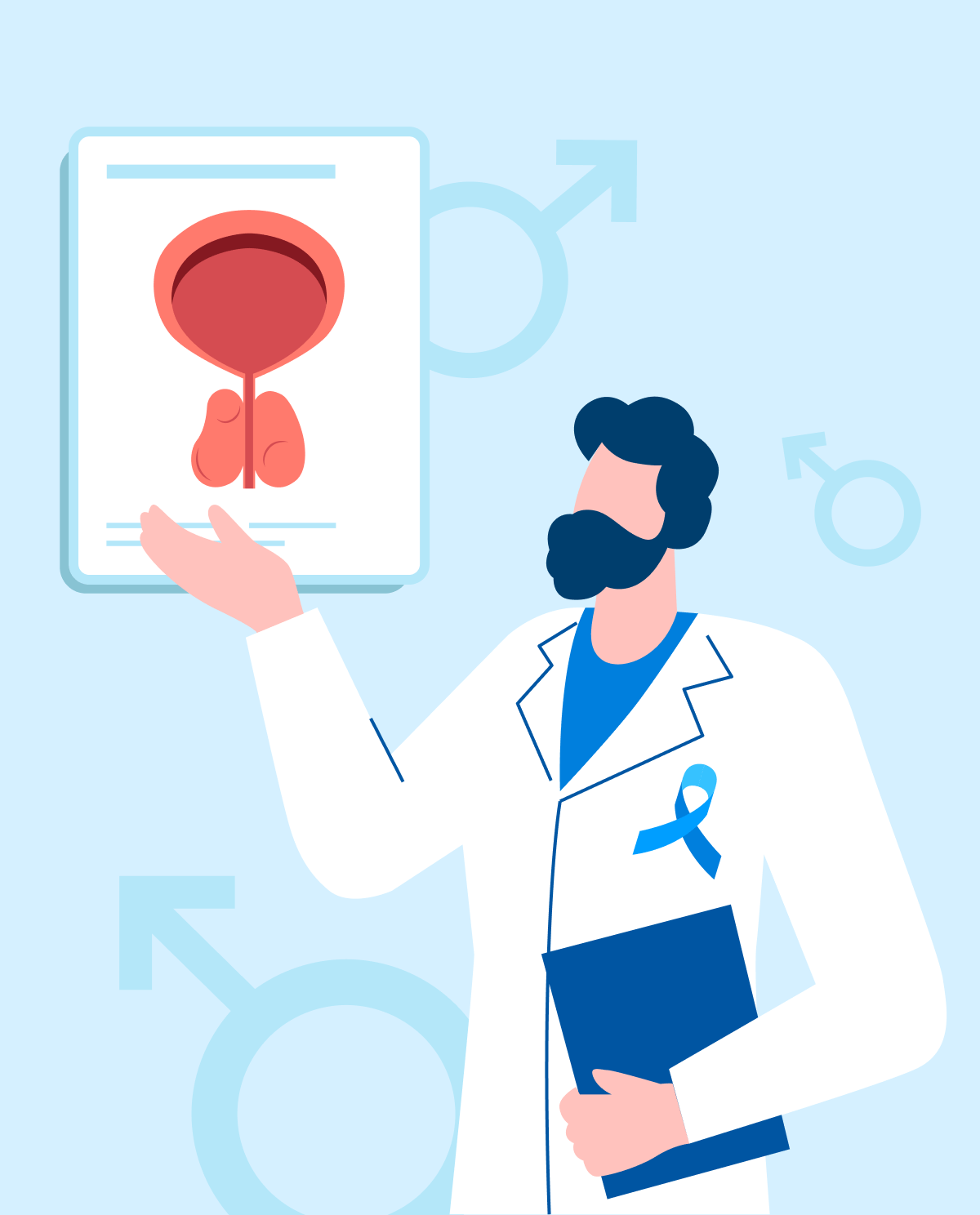
As an integral part of the male reproductive tract, the prostate is a gland is located below the bladder and surrounds the urethra. Its main function is to produce seminal fluid, a substance that is required to transport and nourish the sperm; other functionalities include urine flow control and hormone production. A variety of disorders can occur in the prostate as we will discuss in this short article.

Hormonal imbalance overview

Hormonal imbalance overview

Hormones are endogenous chemicals that act as messengers to regulate normal physiologic actions such as reproduction, circadian rhythm, mood, metabolism, sex, and growth. A hormonal imbalance is described as when an individual is producing too little or too much thus resulting in homeostasis disruption. It has been shown that even minor changes (classified as chronic or temporary) in hormones can lead to long-term complications and illnesses.

Allergies: causes, symptoms and complications, diagnostics, and treatments

Allergies: causes, symptoms and complications, diagnostics, and treatments

Allergies develop after a foreign protein (allergen) enters our body and is recognized as a threat by our immune defenses resulting in an allergic reaction. In different individuals, allergens may or may not result in an immune reaction. Once your immune system recognizes the allergen as a threat after first exposure, immune cells will form immunoglobulin E (IgE antibody), called sensitization. Upon re-exposure, the previously formed immunoglobulin E antibodies will bind to immune cells called mast cells and induce a release of histamine which will result in a symptomatic reaction. Mast cells reside in membranes covering the entire gastrointestinal tract, skin, and respiratory tract, explaining how various symptoms can develop during an allergic reaction. It is an important topic of discussion as the prevalence of allergen sensitization affect 40% of the population worldwide.

Chronic Obstructive Pulmonary Disease Overview

Chronic Obstructive Pulmonary Disease Overview

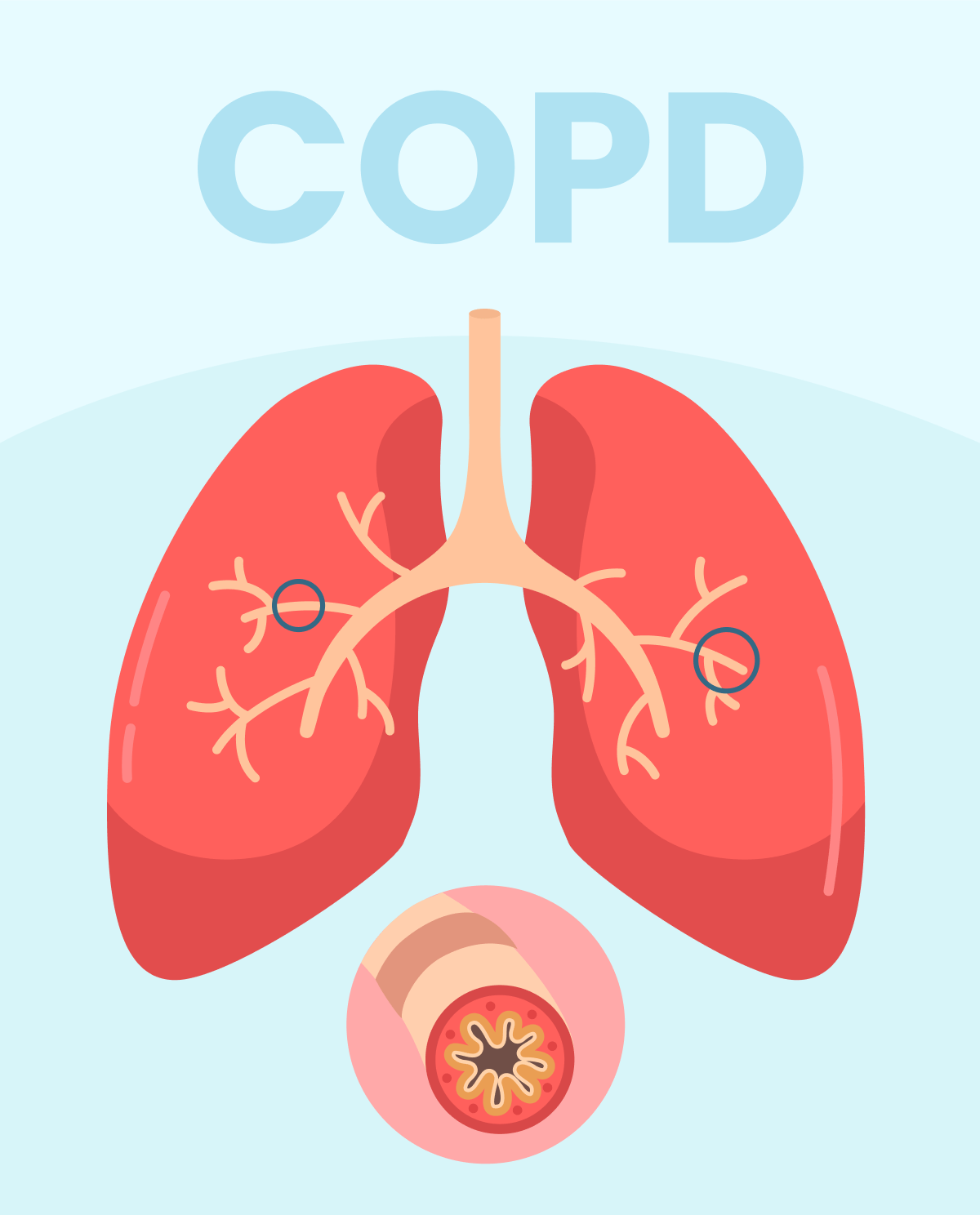
Unlike restrictive pulmonary diseases, chronic obstructive pulmonary disease (COPD) makes it harder for the individual to exhale air from the lungs thus resulting in shortness of breath. Individuals develop this condition because internal respiratory structures become damaged or narrowed resulting in air trapping within the lungs thus, requiring the individual to work harder to expire. COPD is the name of the condition that covers chronic bronchitis (recurring wet cough lasting for an extended period of 3 months for at least two years consecutively) and emphysema (damaged alveoli that become abnormally inflated due to weakened alveolar walls).

Restrictive pulmonary disease overview

Restrictive pulmonary disease overview

When a patient presents with a decreased lung capacity (diminished volume lungs can hold during inspiration) resulting from a decrease in lung tissue elasticity, they suffer from restrictive lung disease. Restrictive pulmonary illnesses represent about 1/5th of all pulmonary syndromes. The reduced lung capacity can be caused by a variety of chronic conditions we will be discussing in this article.

Stroke Overview: Causes and types, signs and symptoms, diagnosis, and treatment

Stroke Overview: Causes and types, signs and symptoms, diagnosis, and treatment

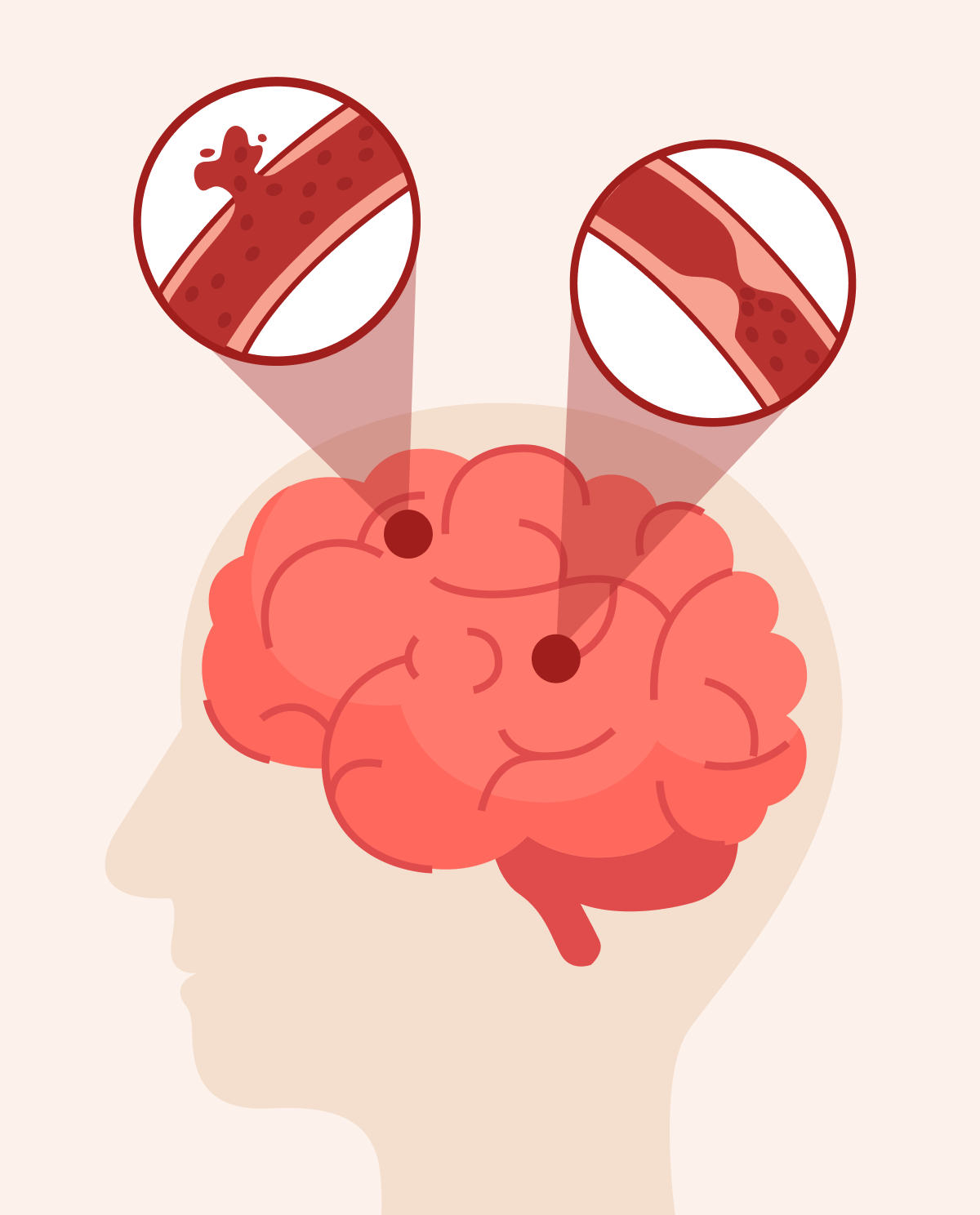
A "brain attack" also known as a stroke develops when blood flow to the brain tissue is blocked. Brain hypoxia (low levels of oxygen distribution in the tissues) develops in many ways which we will discuss below. In this instance, time is of the essence as brain cells die rather quickly. The prevalence of stroke is placed as the second leading cause of death worldwide, thus making it an important topic of discussion.

Obesity epidemic: causes, signs, symptoms, and complications

Obesity epidemic: causes, signs, symptoms, and complications

Obesity is a complex and multifactorial illness affecting people of all age groups. An individual is diagnosed as obese (by measuring their BMI -Body Mass Index) when their weight is much higher than what is considered normal/healthy. It should be noted that the BMI test itself is flawed as it does not take various factors into consideration (body composition i.e., muscle mass, sex, age, and ethnic background) thus the physician must take a complete look at a patient even after getting the BMI results. Obesity presents as one of the leading threats to early death worldwide. The prevalence of obesity stands at 38.9% worldwide.

Overview of pelvic inflammatory disease

Overview of pelvic inflammatory disease

Pelvic inflammatory disease or PID is an inflammatory process of the reproductive organs in women. PID most commonly results from bacterial infections acquired during intercourse, mainly chlamydia, and gonorrhea. At other times, it can result from bacteria entering the uterus during instances when the cervical barrier is disturbed (i.e., after abortion, miscarriage, or childbirth). The disease results from what we call an "ascending" infection thus spreading from the lower genitalia (i.e., vagina) to the upper genitalia (i.e., Uterus, fallopian tubes, and ovaries).