
ARTICLES

We share knowledge

learn with us

Dementia Overview

Dementia Overview

Dementia refers to a range of cognitive disorders affecting memory, thinking skills, behavior, and daily functionality. It's not a specific disease but a syndrome resulting from various underlying conditions or diseases that cause gradual and irreversible brain deterioration. The World Health Organization reported that in 2020, 55 million people were diagnosed with dementia, with a significant majority from low-to-middle-income regions. This number is projected to double in the next two decades.


Overview of Breast Cancer

Overview of Breast Cancer

Breast cancer is a widespread form of cancer originating in the cells of the breast, affecting both men and women. It can begin in various parts of the breast, such as the milk ducts or lobules, which are responsible for milk production. As an alarmingly prevalent disease, statistics reveal that a new breast cancer diagnosis is made every 14 seconds.

Kidney Cancer: A Guide to Types & Treatment

Kidney Cancer: A Guide to Types & Treatment

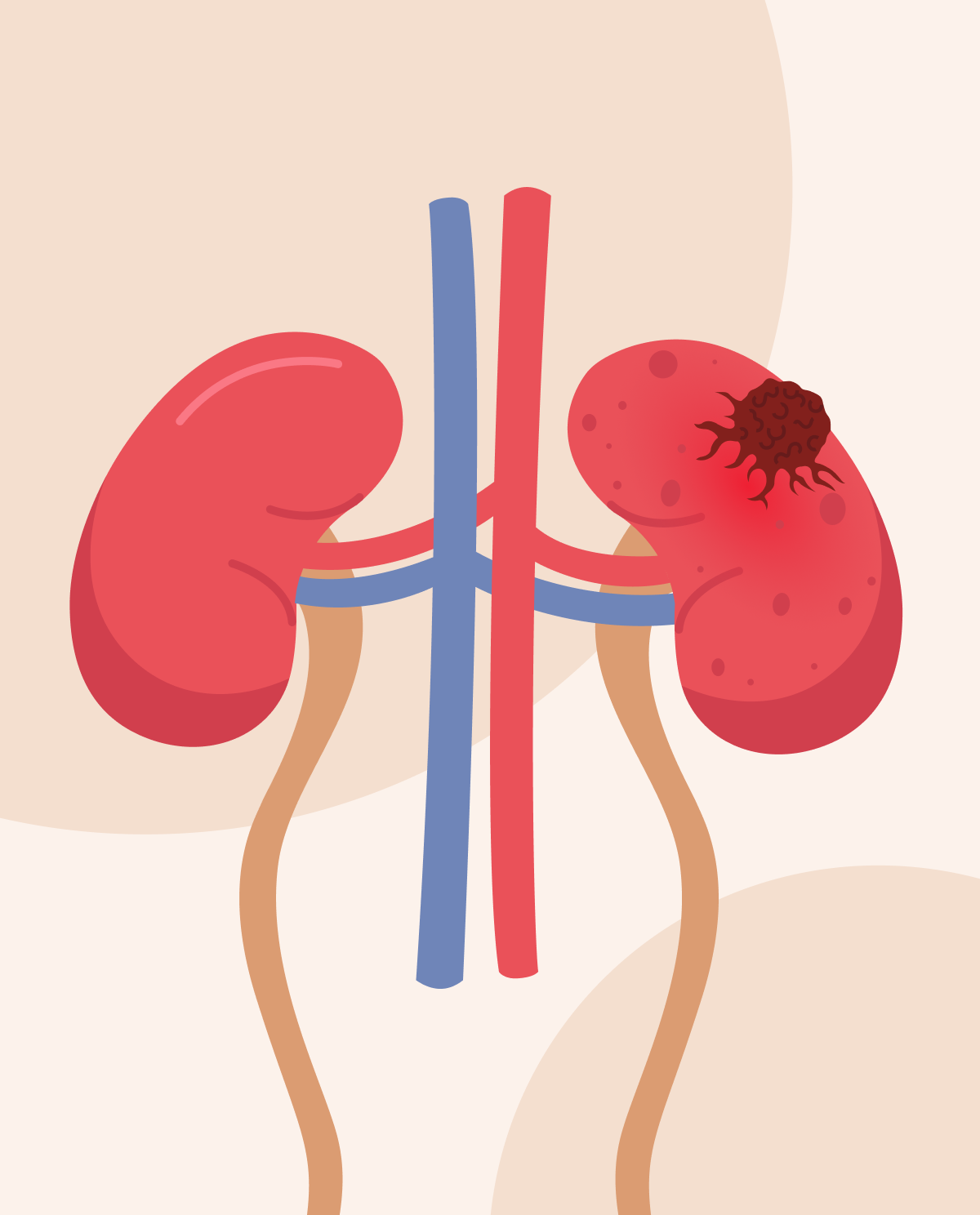
Kidney cancer, also known as renal cancer, refers to the development of cancerous cells in the kidneys. The kidneys are vital organs that filter waste from the blood and produce urine. When abnormal cells in the kidneys multiply and form a tumor, it can lead to kidney cancer. There are different types of kidney cancer, with renal cell carcinoma being the most common.

Sleep deprivation

Sleep deprivation

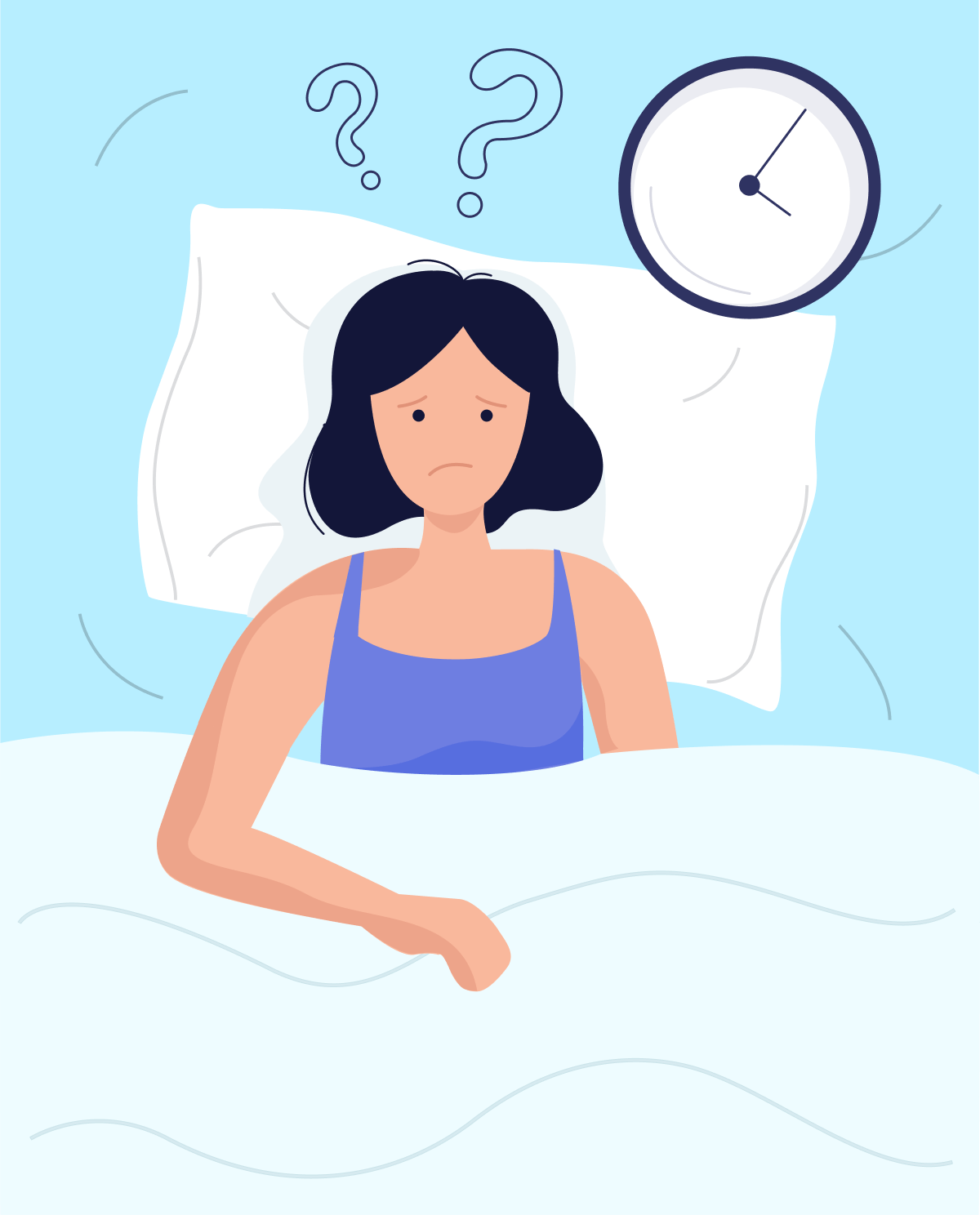
Sleep deprivation refers to a broad concept encompassing the state resulting from insufficient sleep in terms of quantity or quality. It includes both voluntary and involuntary sleeplessness, as well as sleep disorders related to disturbances in the body's internal sleep-wake cycle.

Benefits of working out

Benefits of working out

Engaging in regular physical activity is highly beneficial for your overall well-being. It plays a crucial role in maintaining good health by enhancing brain function, aiding weight management, lowering the chances of illness, strengthening the skeletal and muscular systems, and improving daily functionality. By reducing sedentary behavior and incorporating even a moderate amount of physical activity, adults can enjoy various health advantages. Few lifestyle choices rival the impact of physical activity on one's health. Moreover, the benefits of being physically active are accessible to all and highly recommended.

High blood pressure

High blood pressure

Hypertension, also referred to as high blood pressure, is a persistent medical condition distinguished by heightened levels of blood pressure in the arteries. Blood pressure denotes the force exerted by the blood on the walls of the blood vessels as the heart pumps it throughout the body.

Skin Cancer Overview

Skin Cancer Overview

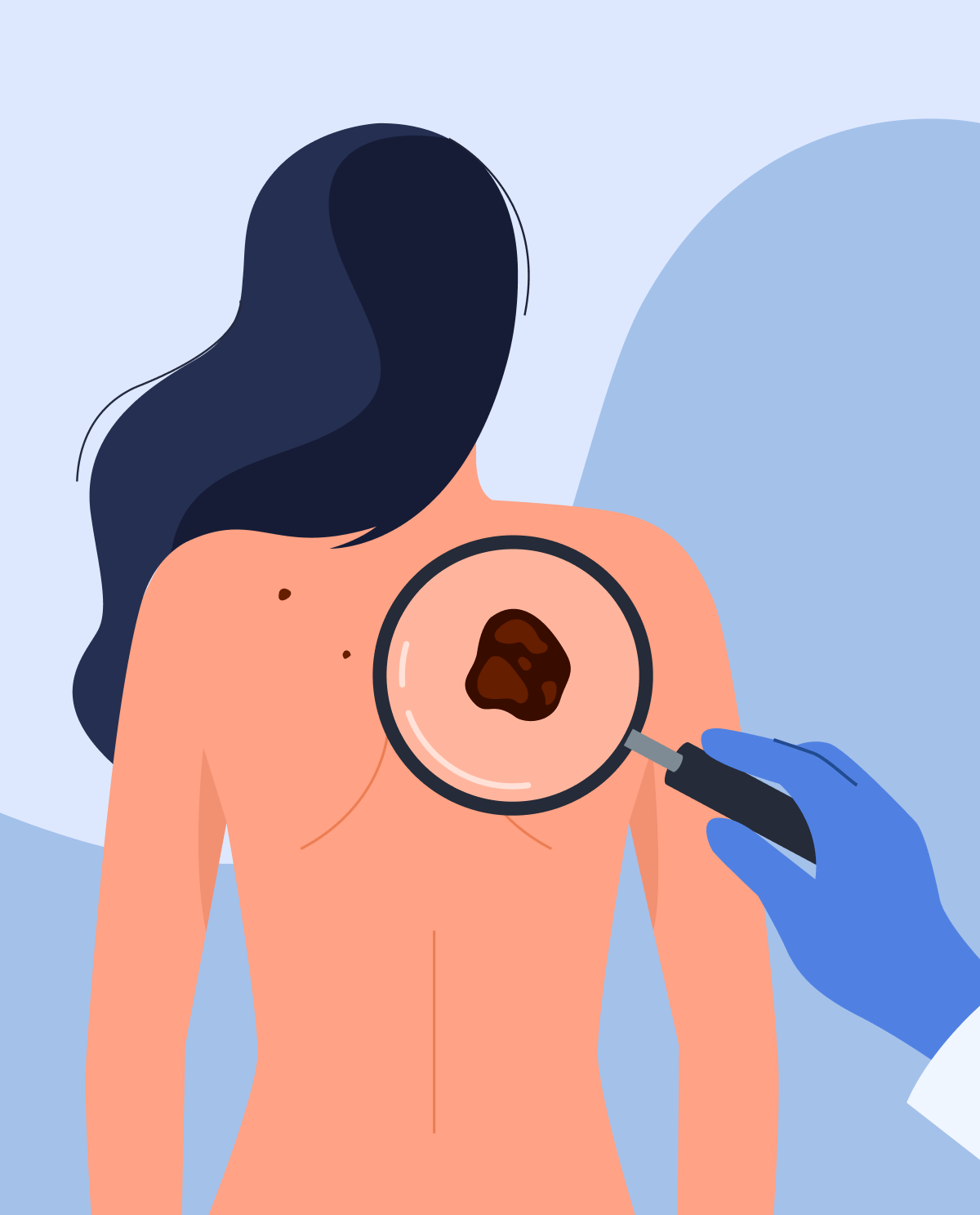
Skin cancer is an atypical increase in skin cells that usually develops on sun-exposed skin areas, but can also appear on unexposed skin areas. The three primary skin cancer types are squamous cell carcinoma, basal cell carcinoma, melanoma, and squamous cell carcinoma. It has been shown to be the number 17th on the list of most common cancers worldwide.

Lung cancer

Lung cancer

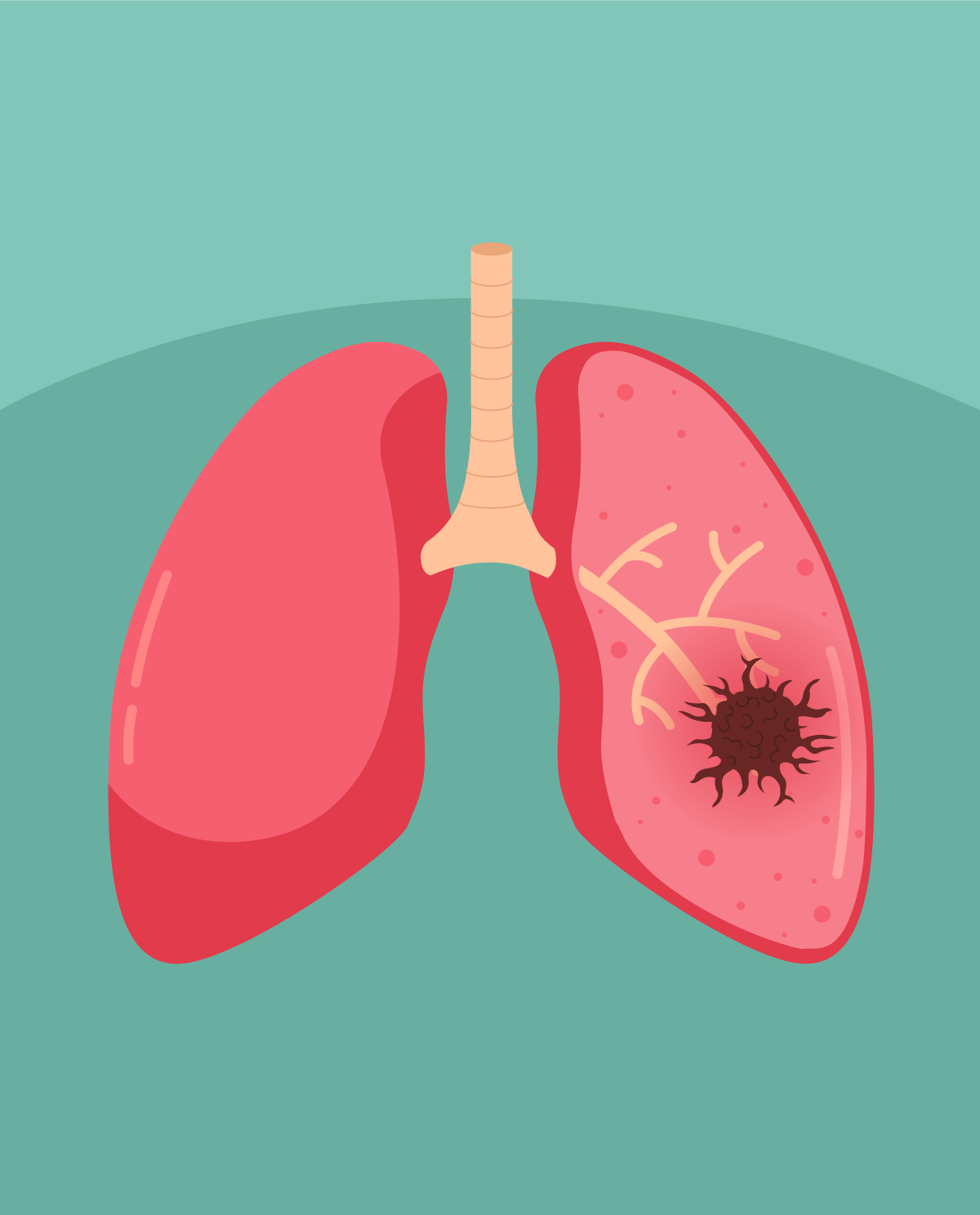
Lung cancer is a prevalent form of cancer that originates in the lungs, typically in the cells that coat the airways. It is a primary contributor to cancer fatalities worldwide, placed as the second most common cancer.

Colon cancer overview

Colon cancer overview

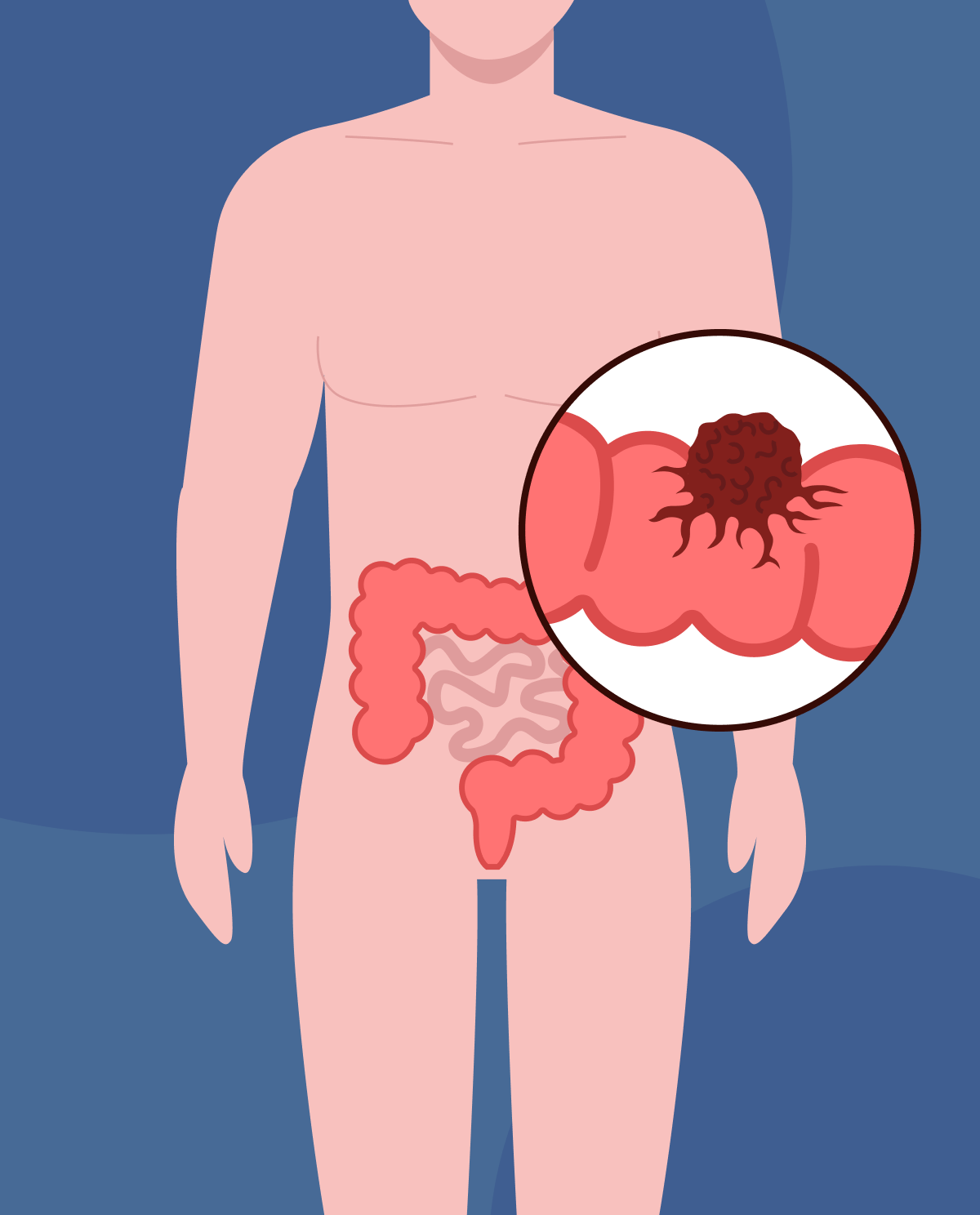
Colorectal cancer (CRC), or colon cancer, impacts the colon or rectum, where abnormal cells grow rapidly and form tumors in the lining. This type of cancer is a serious threat to health and can become life-threatening if not detected and treated promptly. It is ranked as the third most commonly diagnosed cancer in both men and women.

The Impact of stress on the physical and the psychological health

The Impact of stress on the physical and the psychological health

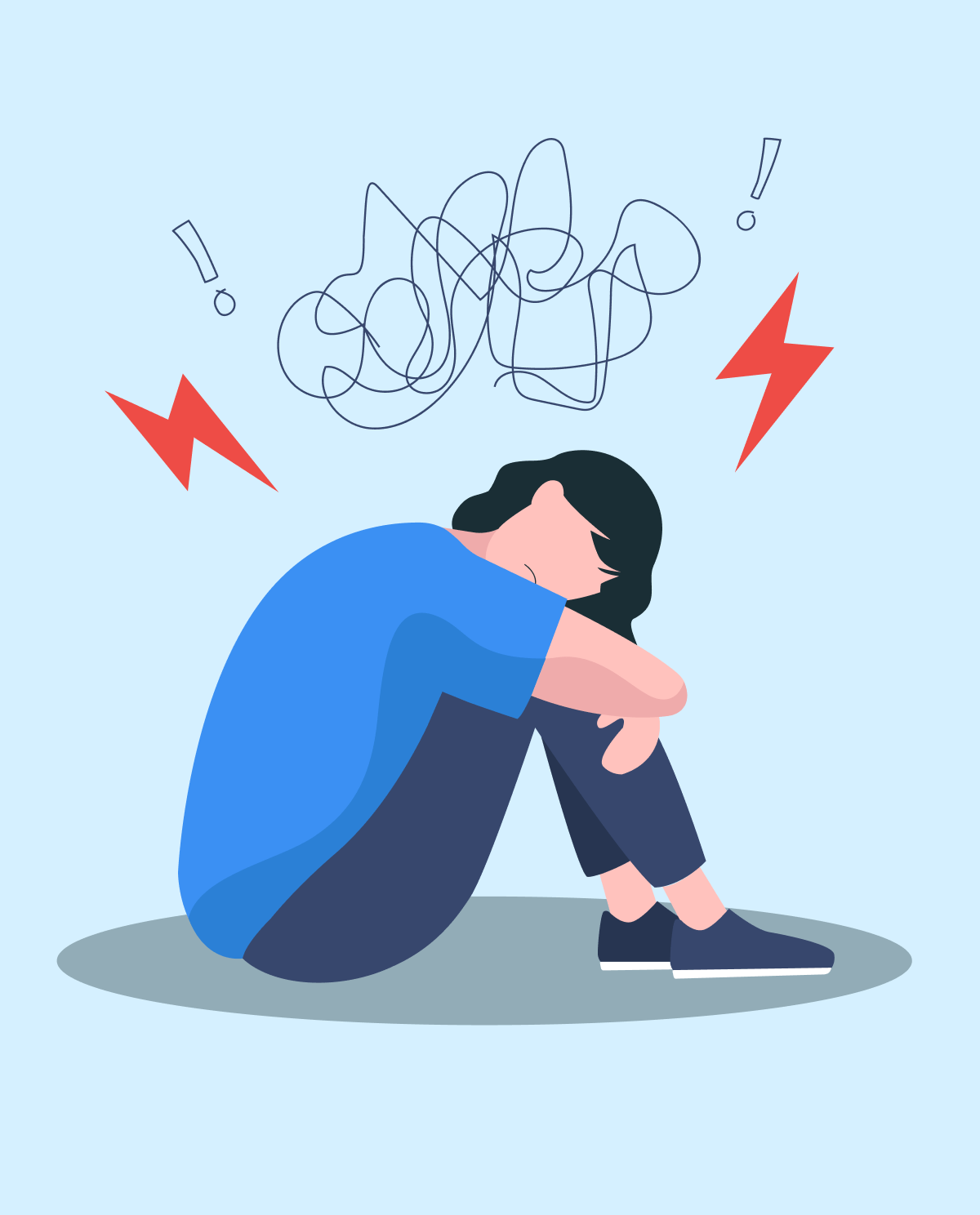
Stress is a common response to life's challenges, both mentally and physically. In small amounts, stress can be beneficial as it can motivate you to perform better. However, when faced with daily struggles (i.e., traffic, illness, and bills) you may experience overwhelming stress that exceeds your coping abilities. Your brain has an inherent alarm system that activates in response to perceived threats, triggering the release of hormones that increase heart rate and blood pressure. This "fight-or-flight" response can help you deal with the threat, but ideally, your body should return to a relaxed state once the "danger" has passed. Unfortunately, the constant demands and expectations of modern life can keep some people's alarm systems activated for prolonged periods of time.