

ARTICLES

We share knowledge

learn with us
Work icon
Thank you for your interest in our product!

We are still working intensively to adapt it to your needs. If you want, we will inform you when it will be available.

Category: Mental Health

Post-Traumatic Stress Disorder (PTSD) Overview

Post-Traumatic Stress Disorder (PTSD) Overview

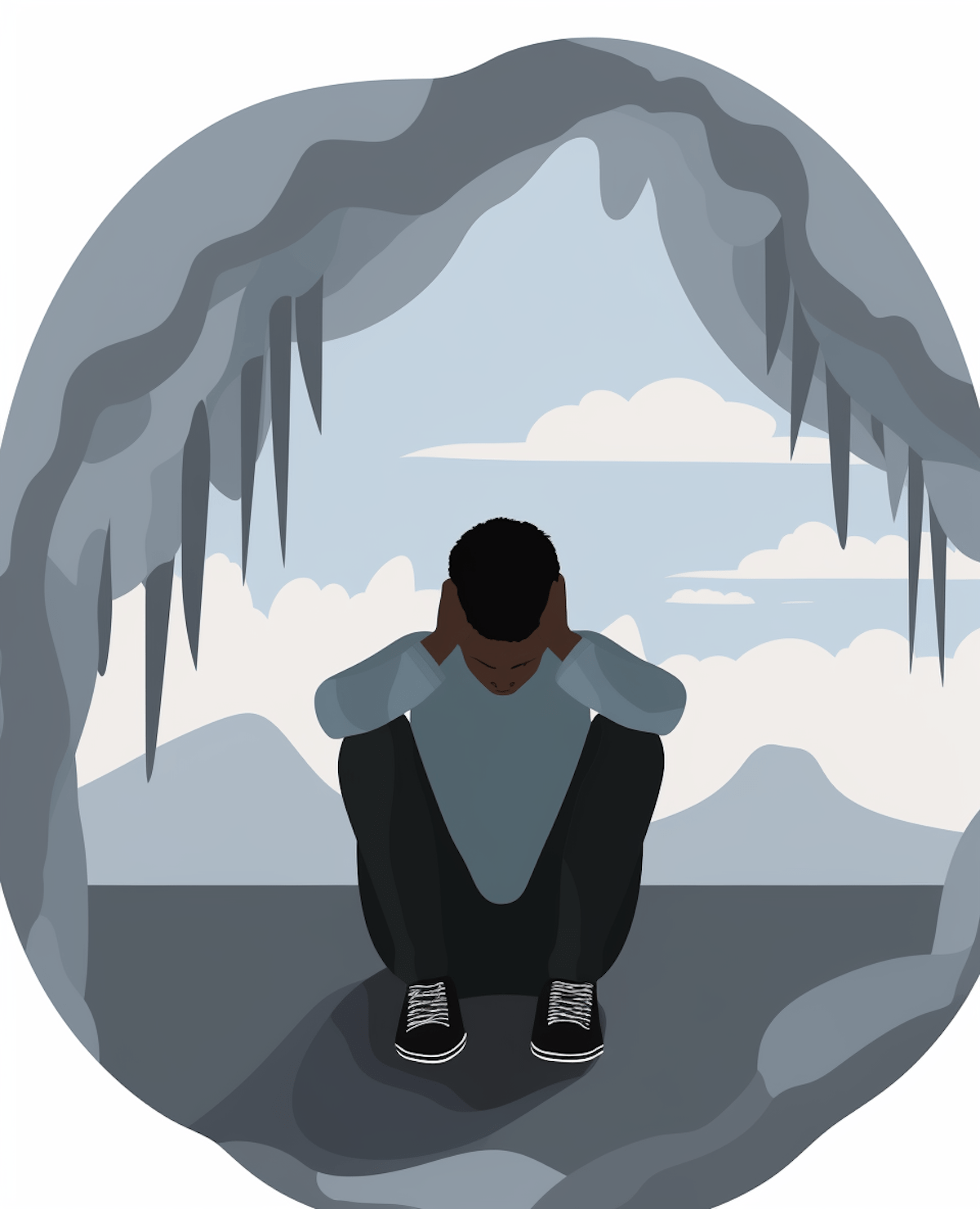
Post-traumatic stress disorder (PTSD) is a mental health condition triggered by a deeply distressing event, either experienced firsthand or witnessed. Symptoms may include flashbacks, nightmares, severe anxiety, and uncontrollable thoughts about the event. While many people who undergo traumatic events face temporary difficulties adjusting and coping, they often improve with time and self-care. However, if symptoms worsen, last for months or even years, and interfere with daily life, PTSD may be the cause.

The Impact of stress on the physical and the psychological health

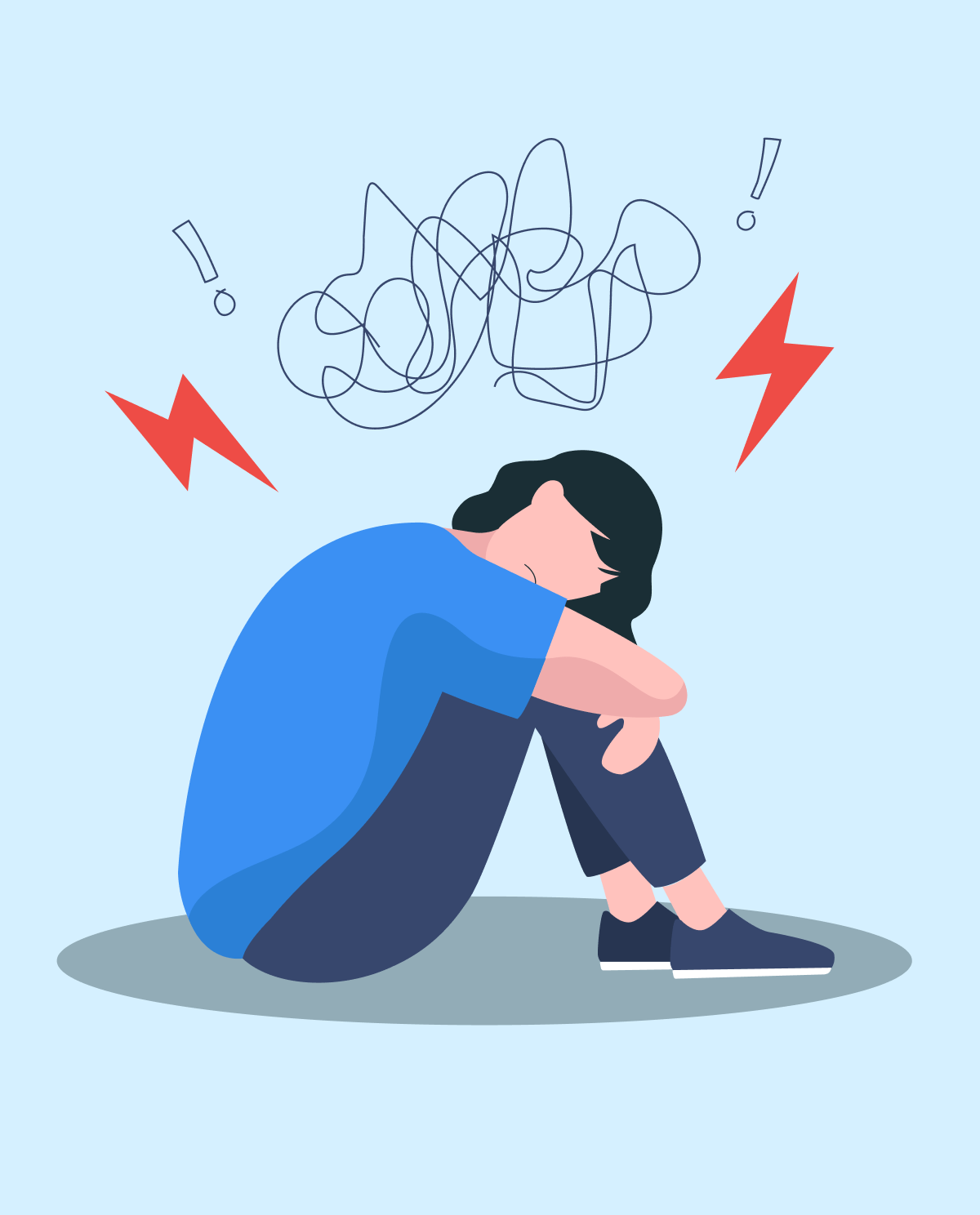
The Impact of stress on the physical and the psychological health

Stress is a common response to life's challenges, both mentally and physically. In small amounts, stress can be beneficial as it can motivate you to perform better. However, when faced with daily struggles (i.e., traffic, illness, and bills) you may experience overwhelming stress that exceeds your coping abilities. Your brain has an inherent alarm system that activates in response to perceived threats, triggering the release of hormones that increase heart rate and blood pressure. This "fight-or-flight" response can help you deal with the threat, but ideally, your body should return to a relaxed state once the "danger" has passed. Unfortunately, the constant demands and expectations of modern life can keep some people's alarm systems activated for prolonged periods of time.